
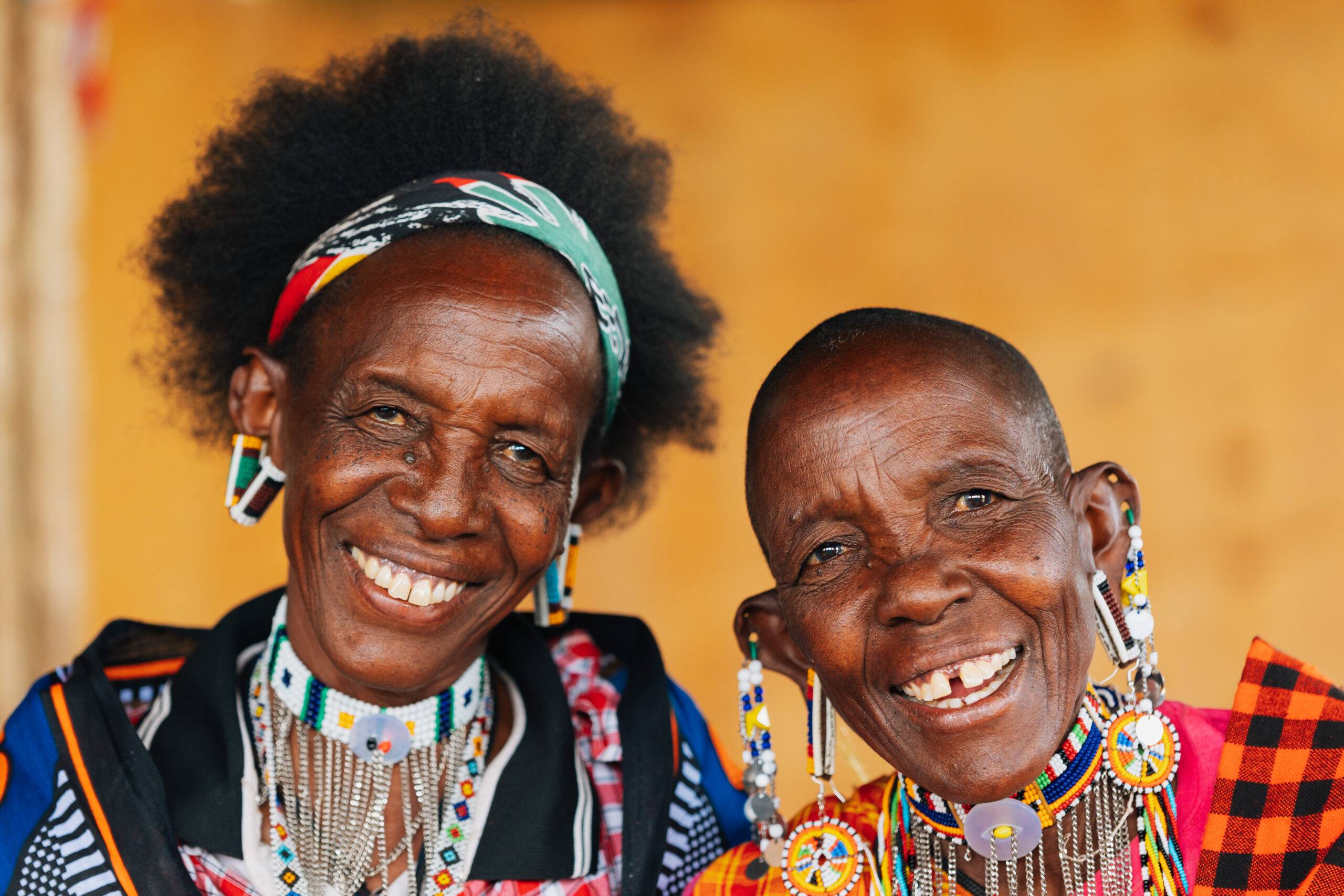
In mid-2026, I travelled to Tanzania with the Nomad Footprints Collective for a documentary project. During our stay, we spent several days at Naramatisho Women’s Centre in Makuyuni, near Arusha. Local Maasai women run the centre, and it offers camping and traditional-style accommodation, meals at its restaurant, and cultural experiences such as beadwork, storytelling, and visits to nearby homes.
I was impressed by the women’s work and the way they share their culture with visitors. Spending time at the centre made me curious about its history, and I’m glad to share what I learned, along with photographs I took of the women.
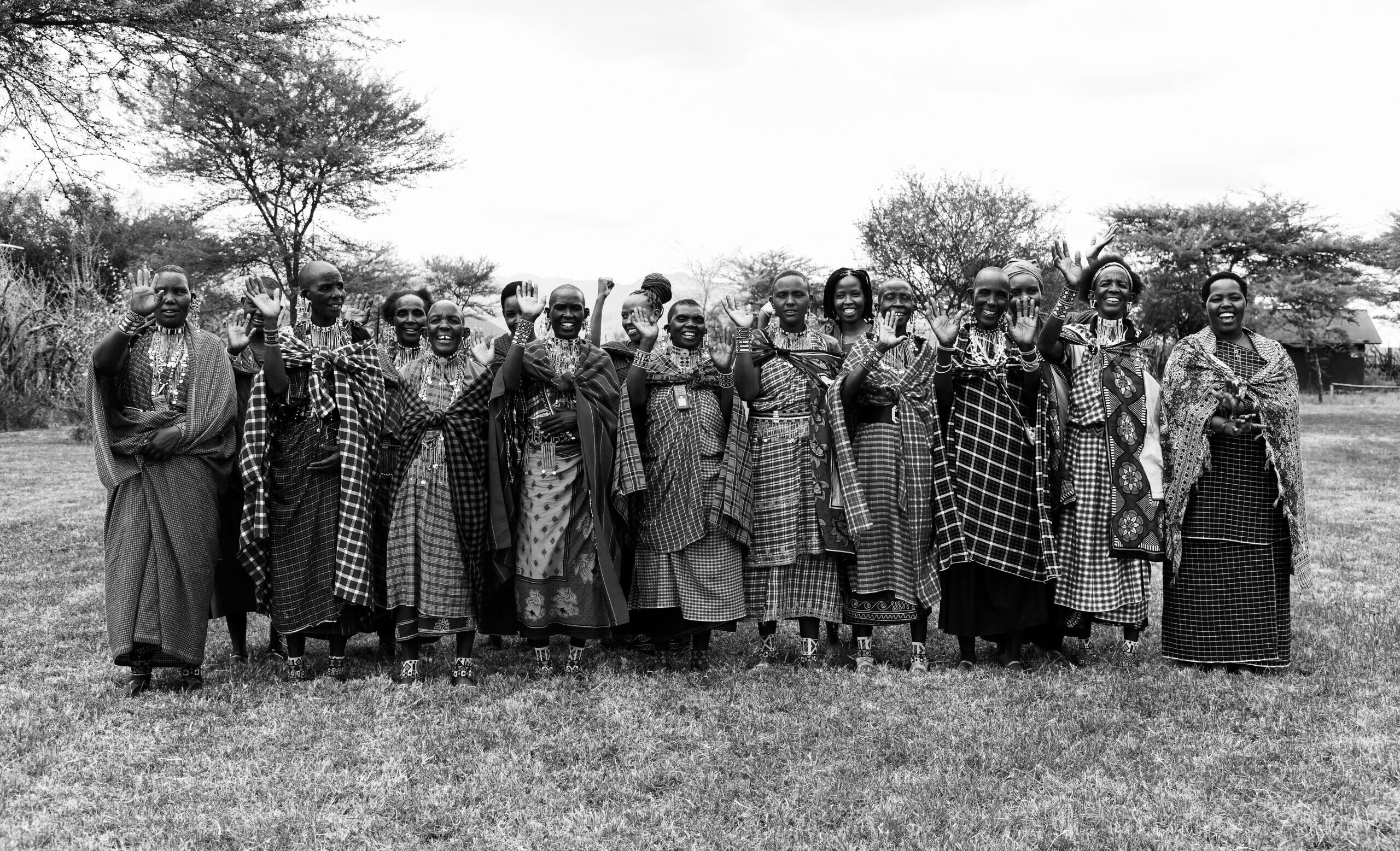
The Centre officially opened to visitors in 2025. In Maa, “Naramatisho” describes a strong and resilient woman who protects, provides for, and uplifts her community. Today, Naramatisho provides women with a place to sell their beadwork, earn income through tourism, and gain hospitality and business skills. Visitors stay in Maasai-inspired guest houses, eat meals prepared at the Centre, purchase locally made beadwork, and take part in cultural experiences led by Maasai women themselves.
Before the Naramatisho Women’s Centre, dozens of women sat together in the shade of trees in Makuyuni. These women often came together to make traditional Maasai beadwork, share ideas, save money, and find ways to create better opportunities for themselves and for their families. Many were talented artisans, but selling their beadwork was difficult because, although they had products to sell, there was no permanent place of their own where they could welcome customers. Safari vehicles full of tourists often drove by without stopping.
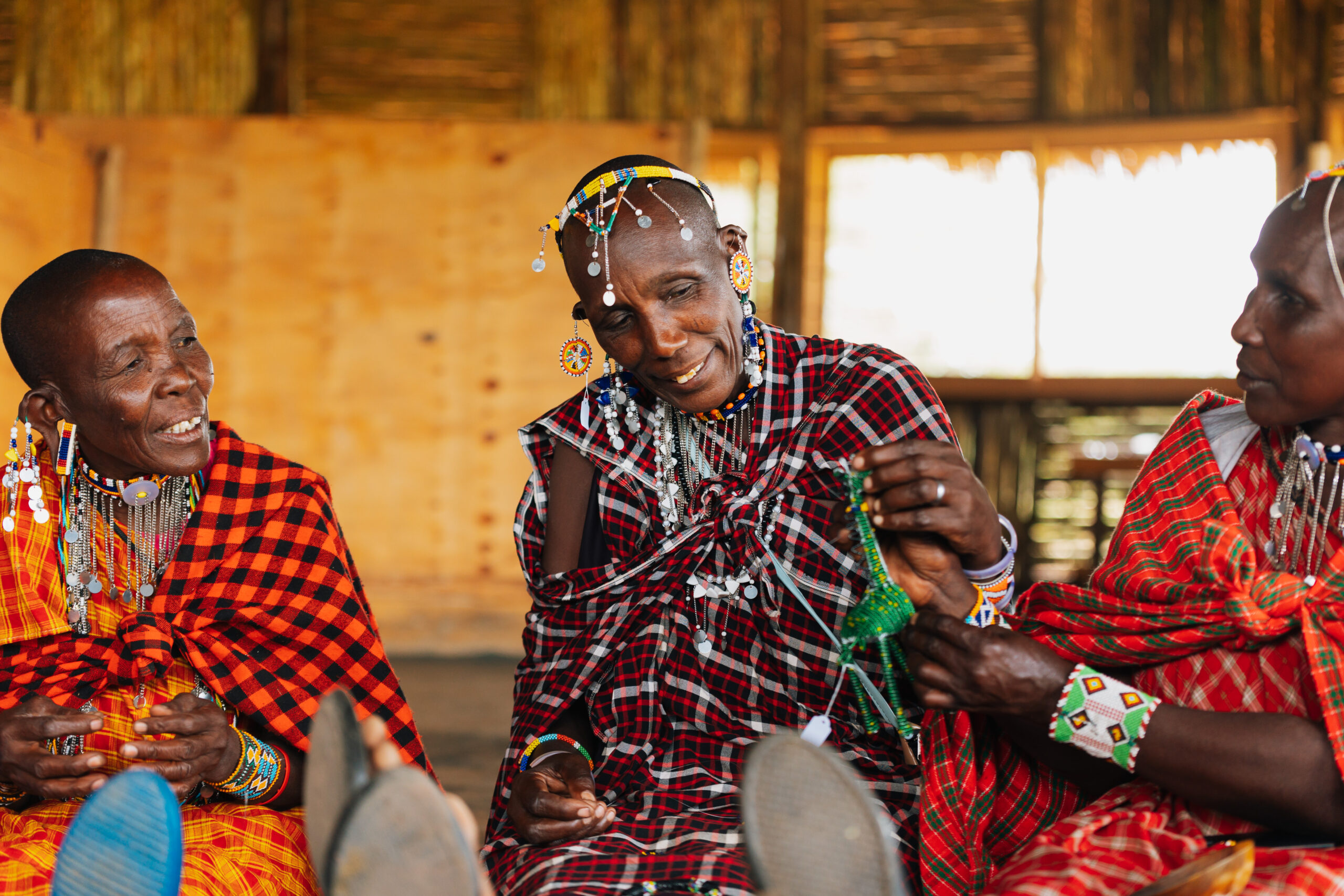
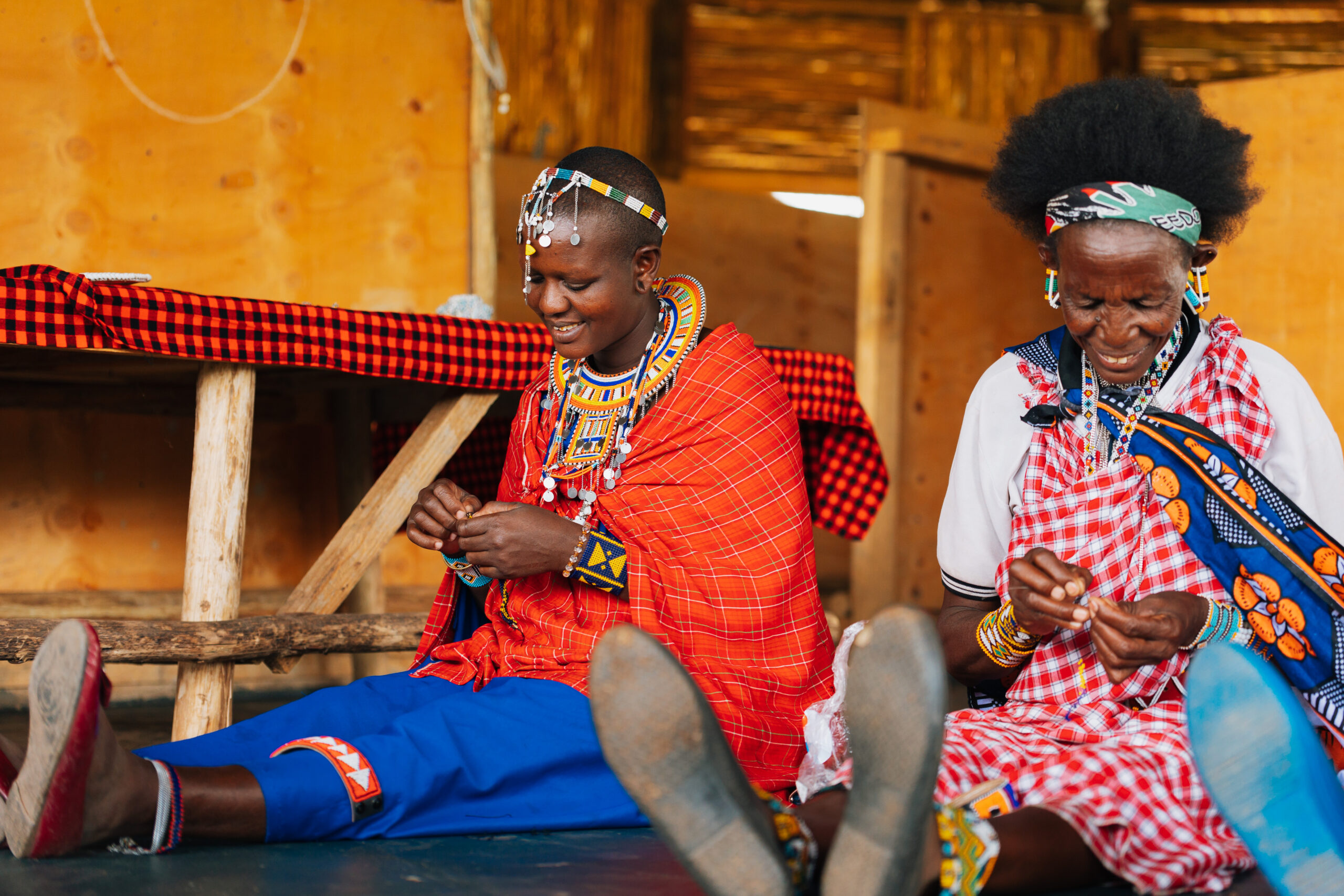
Many of the women were connected through Village Community Banking (VICOBA) groups supported by the Pastoral Women’s Council (PWC), a long-running Tanzanian organization working with Indigenous pastoralist women and girls. What started with one VICOBA group grew as women trained other women, and eventually, six groups of around 30 women each operated in the Makuyuni area. As the groups grew stronger, they started asking themselves what came next. Some of the women leaders talked about creating a women’s centre to have a permanent space where women could gather and sell their beadwork and welcome visitors.
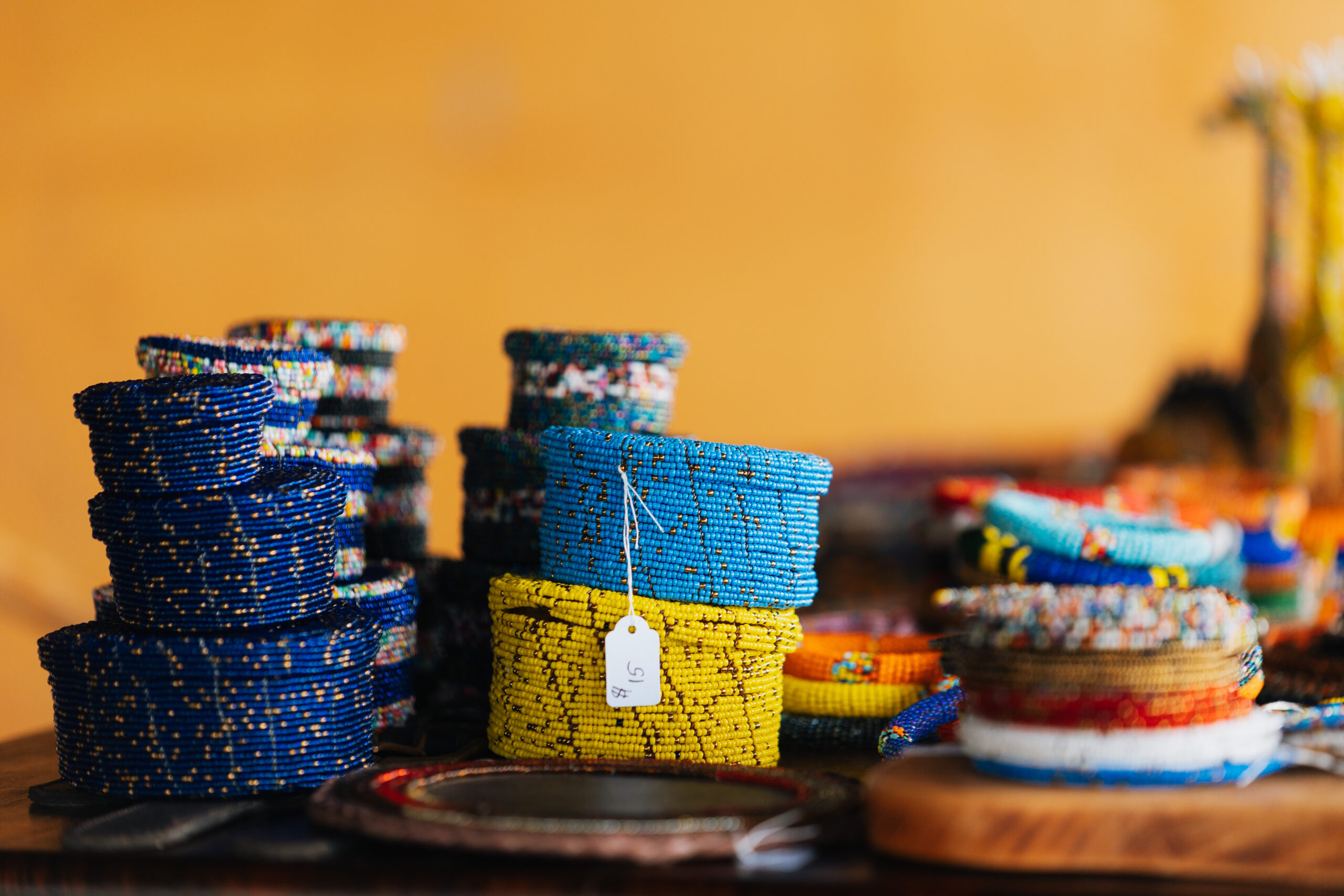
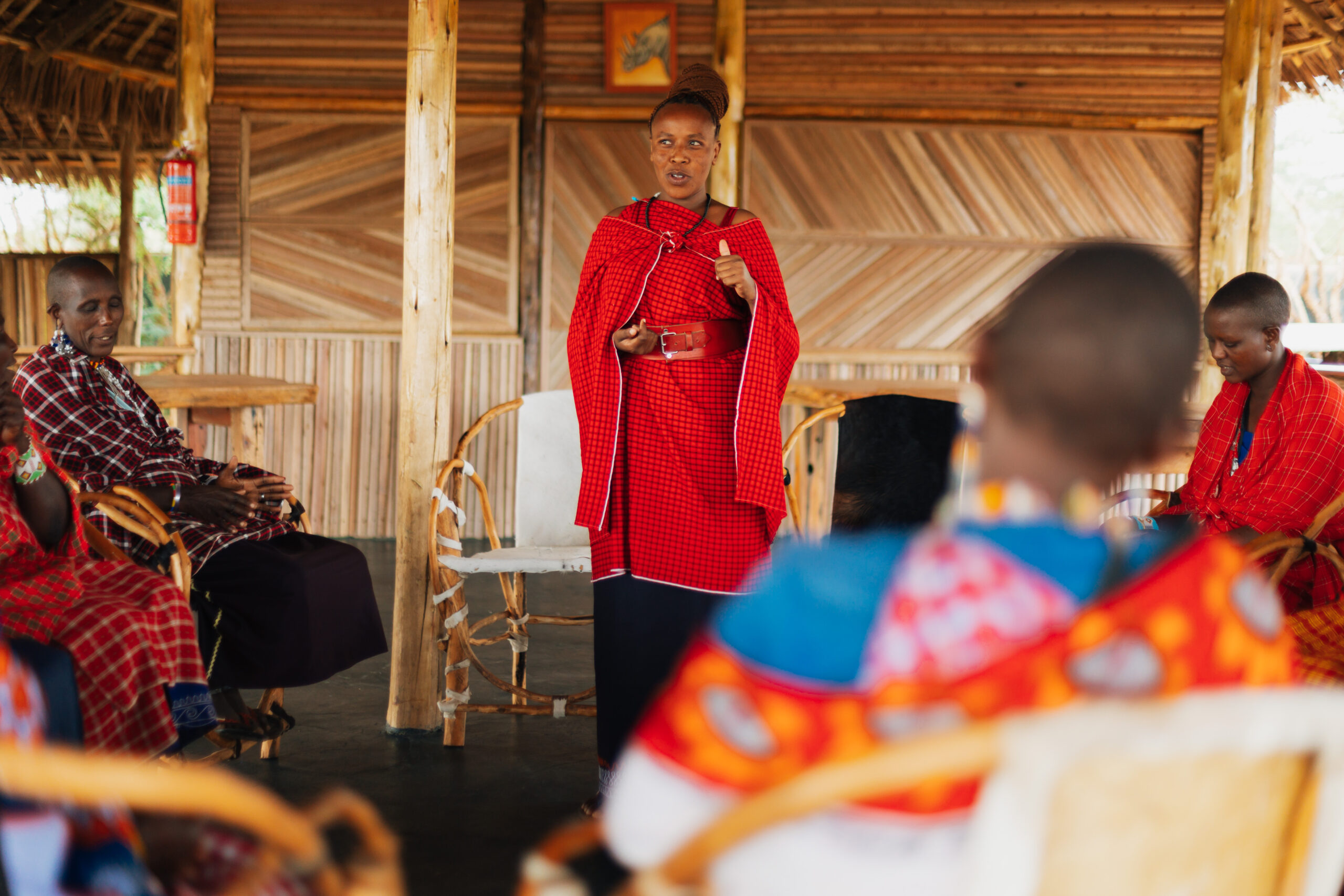
The groups selected a few women to help lead the process and guide the next steps. One of their first priorities was to find a suitable place where they could bring their plans to life. The village government offered them a small piece of land, giving the women a starting point. With further support from partners and funders, they were able to expand the area to nearly 30 acres. This gave them room to think beyond their original plans and begin building a centre that could serve the women and the wider community. Little by little, their idea took shape, laying the foundations for what would eventually become Naramatisho Women’s Centre.
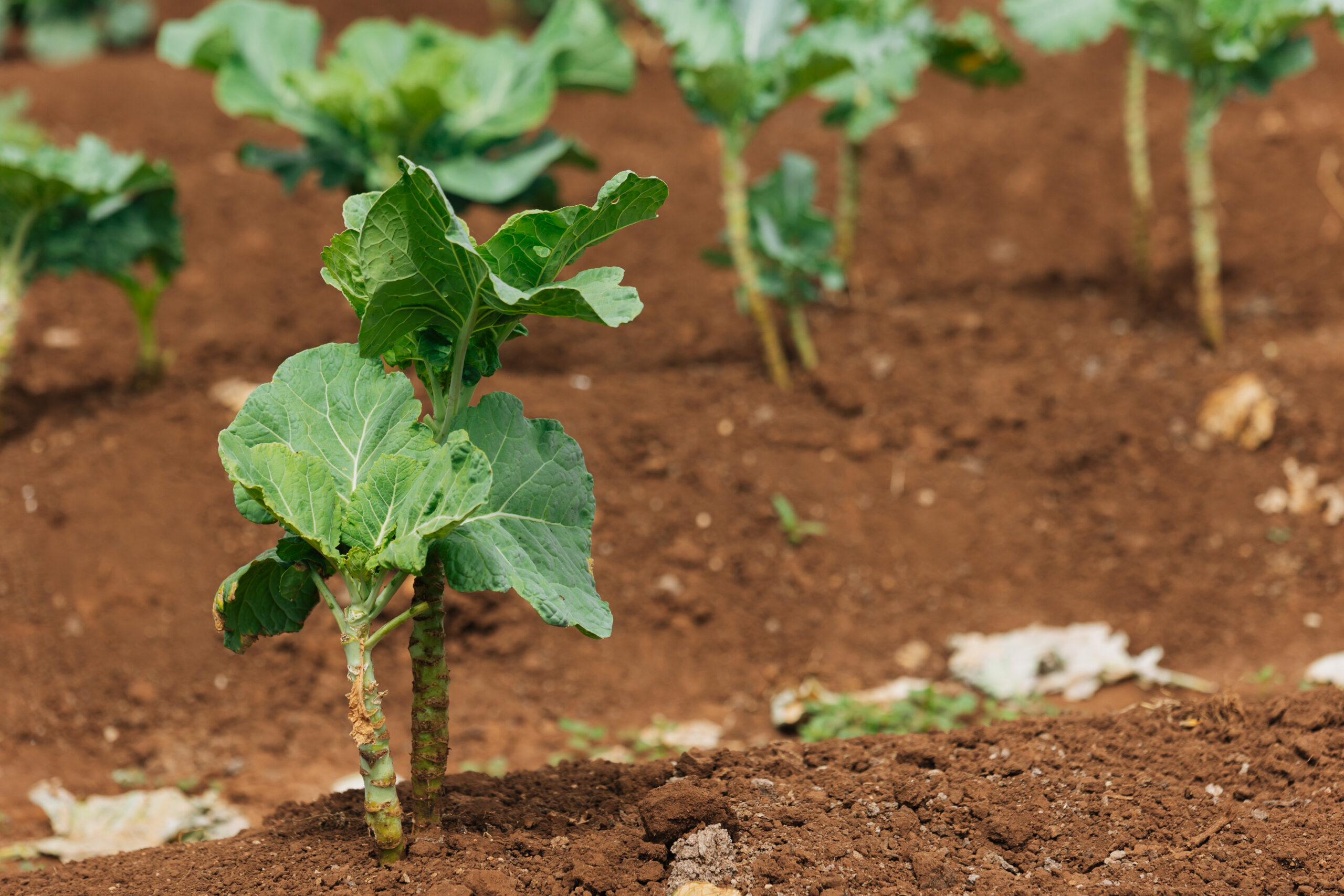
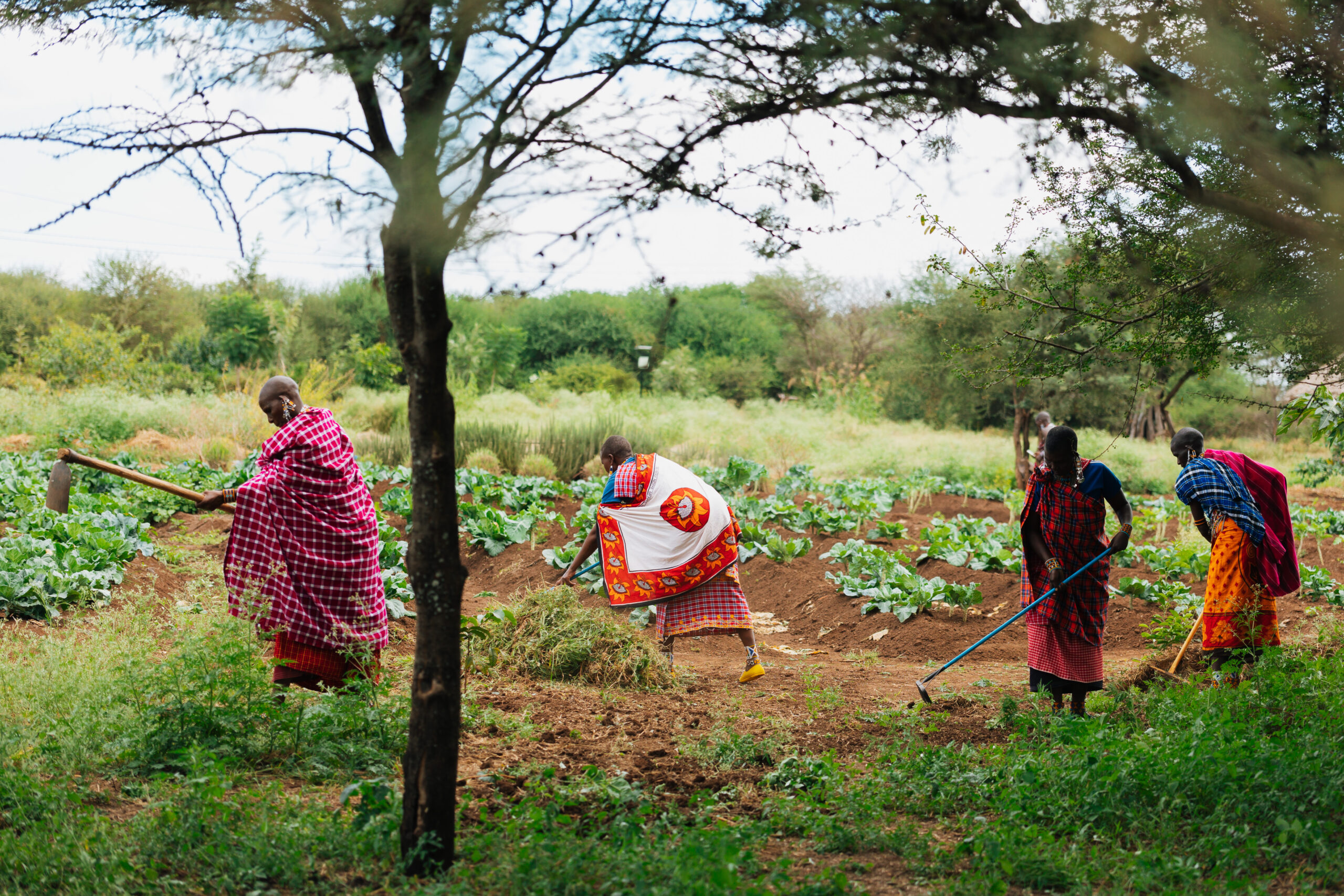
Naramatisho is guided by several core values that shape its work and its relationship with the community: women’s leadership, community ownership, cultural pride, dignity, learning, environmental care, and economic independence. These values are reflected in the way the Centre is run and in the opportunities it creates. Women take part in shaping its direction, making decisions, sharing their knowledge, and developing the skills they use in their work.
The women are not simply beneficiaries of the Centre. They are the people who bring it to life every day—as workers, artisans, hosts, decision-makers, teachers, and leaders in its development. Through their craft, hospitality, and cultural activities, they welcome visitors and share aspects of their lives and traditions on their own terms. Their involvement helps make Naramatisho a place rooted in community ownership, where women’s contributions are visible and valued.
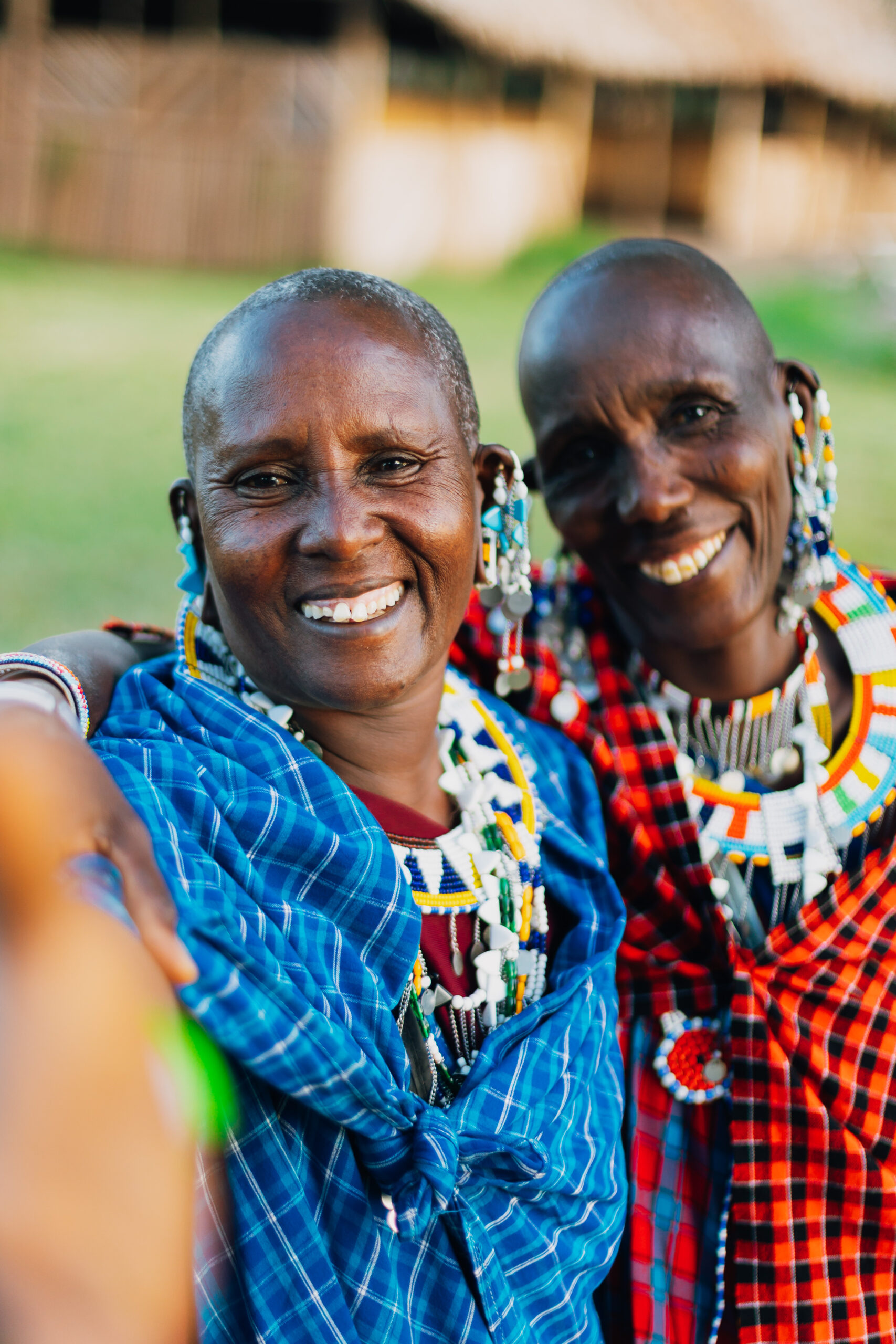
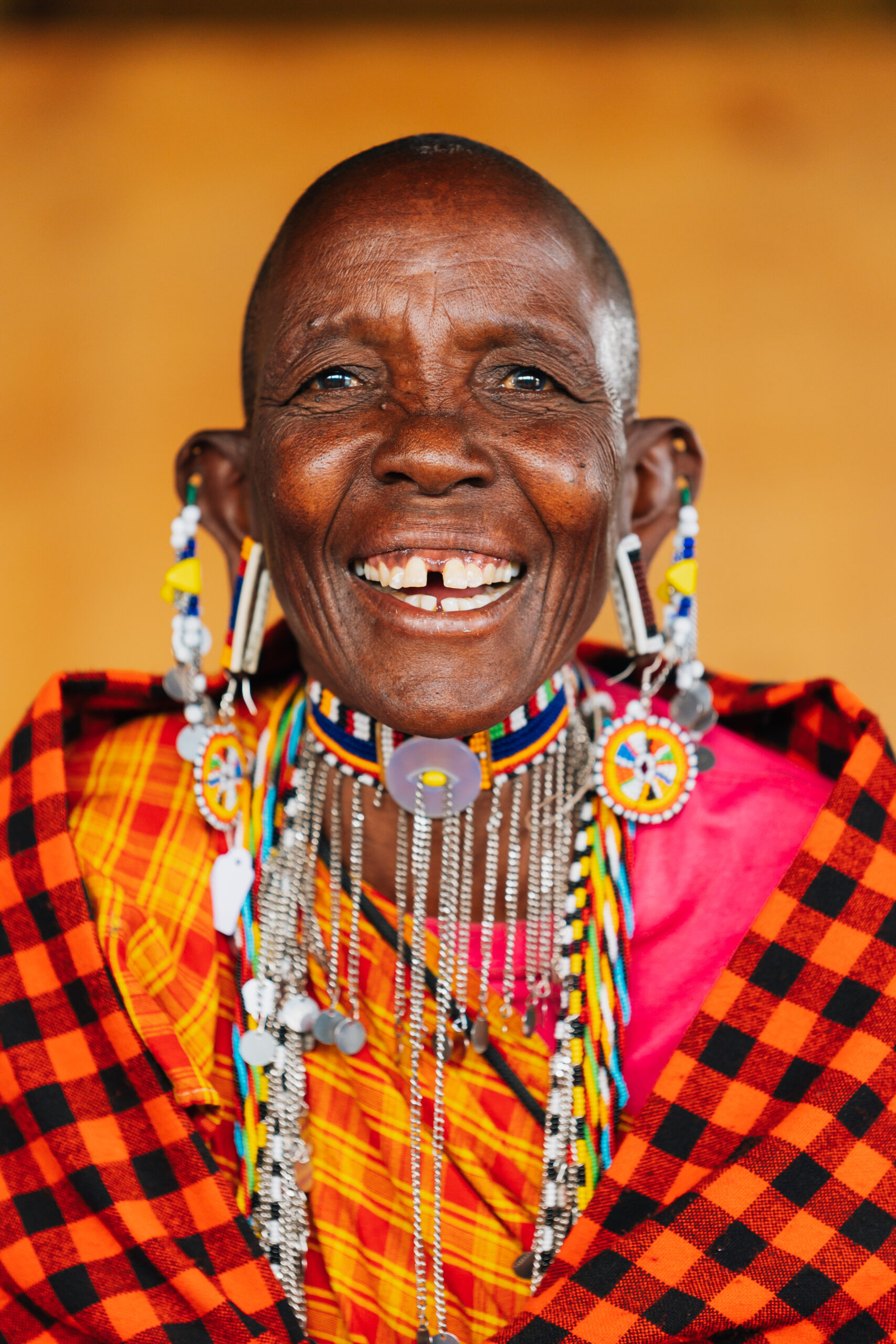
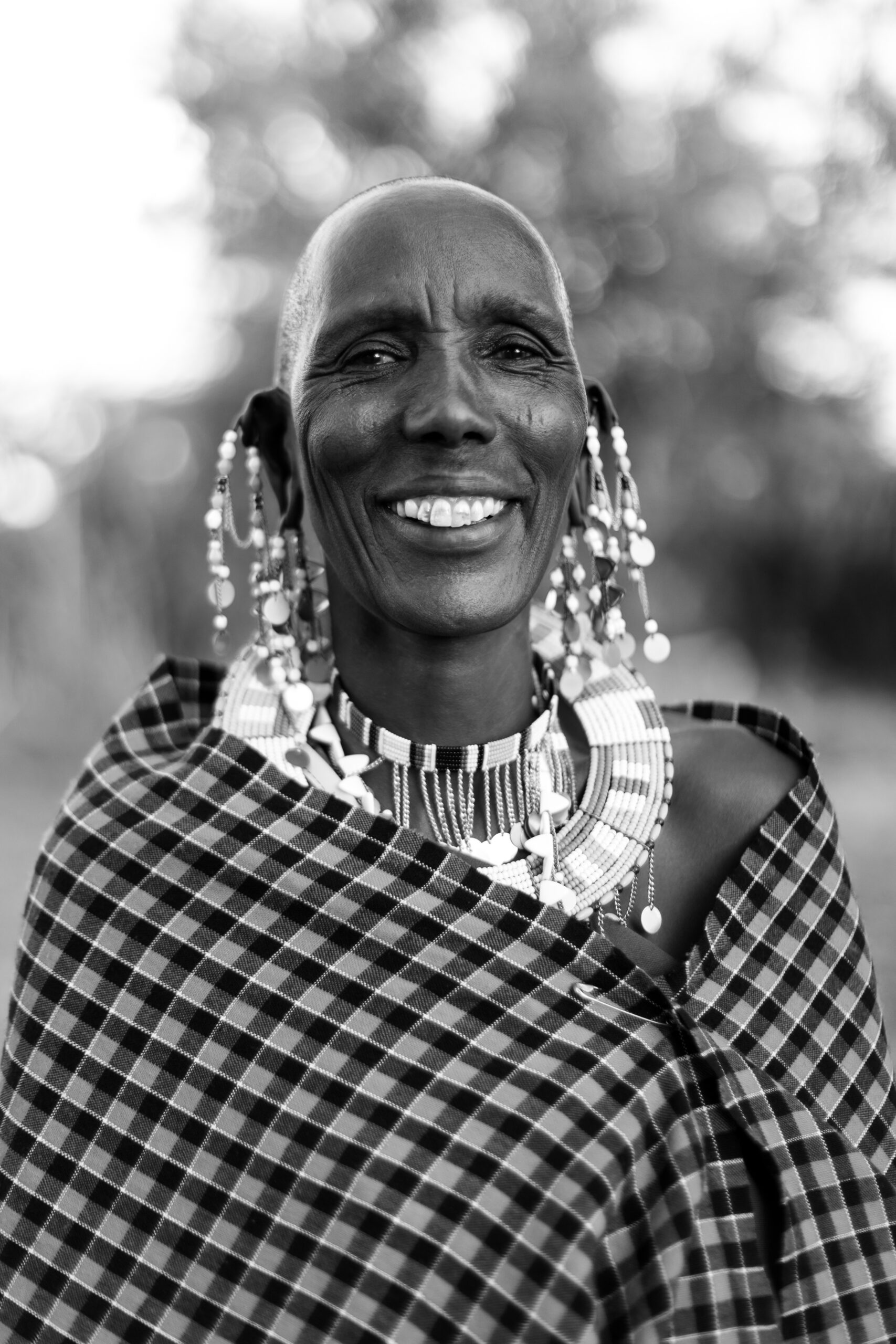
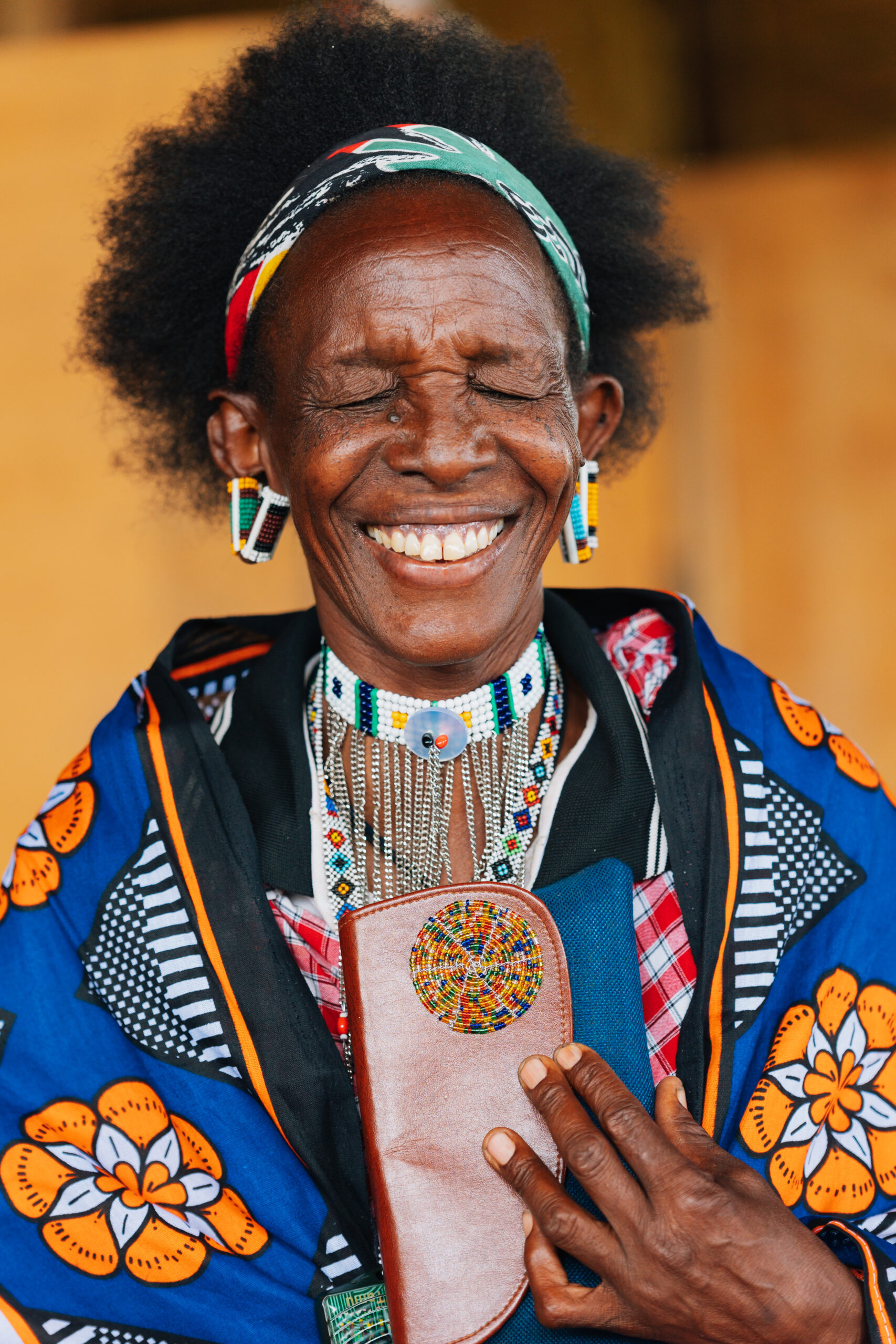
What impressed me most was the care and skill the women brought to their craft. As they worked, they shared ideas, helped one another, and passed their knowledge along, creating a lively atmosphere filled with conversation and laughter. Each woman contributed her own experience and talents, yet the work felt like a shared effort. Their teamwork gave the craft a special energy and showed how much they valued one another’s skills. Watching them work together helped me appreciate not only the beauty of what they made, but also the patience, creativity, and cooperation behind every piece.
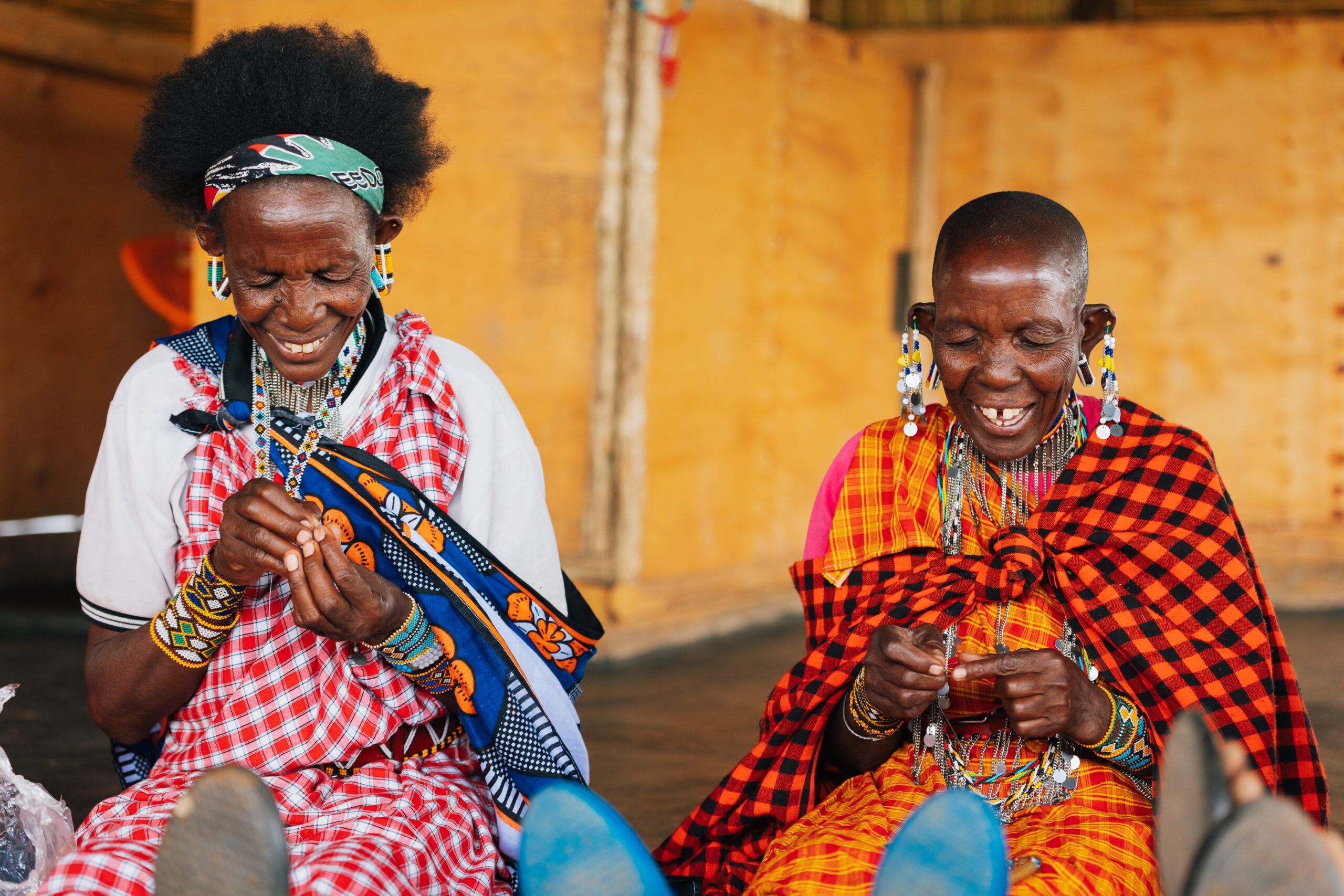
I’m left with a deep appreciation for the women whose vision and teamwork have shaped Naramatisho. Their craft, hospitality, and leadership make it a welcoming place, while their commitment to their culture and community gives it lasting meaning. I’m grateful to have spent time with them and to share a small part of their story through my photography. I also want to thank the Nomad Footprints Collective for making this possible.